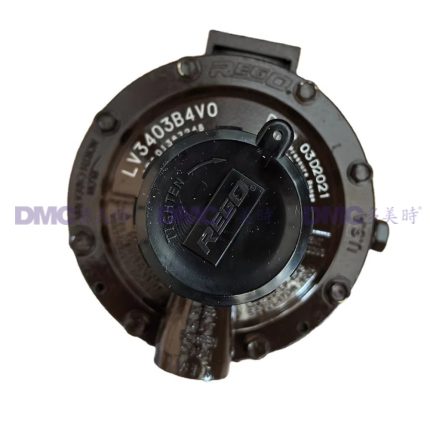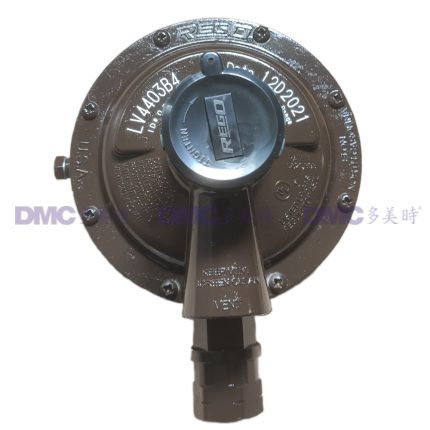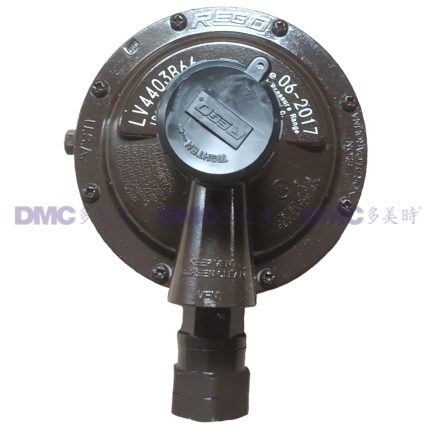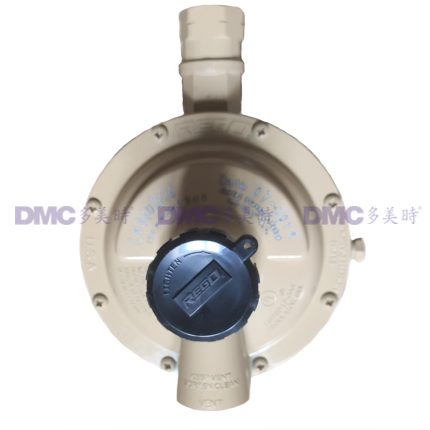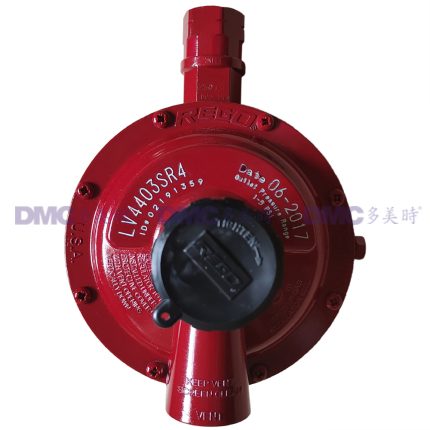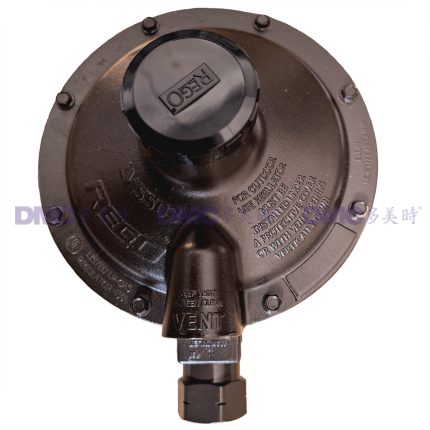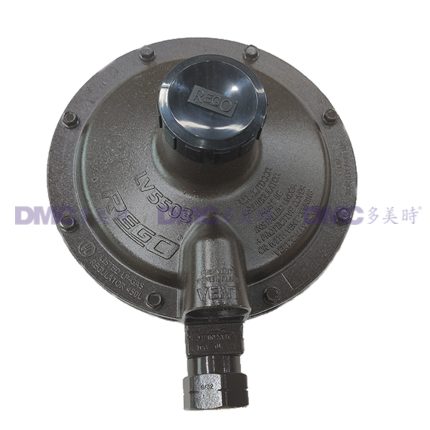





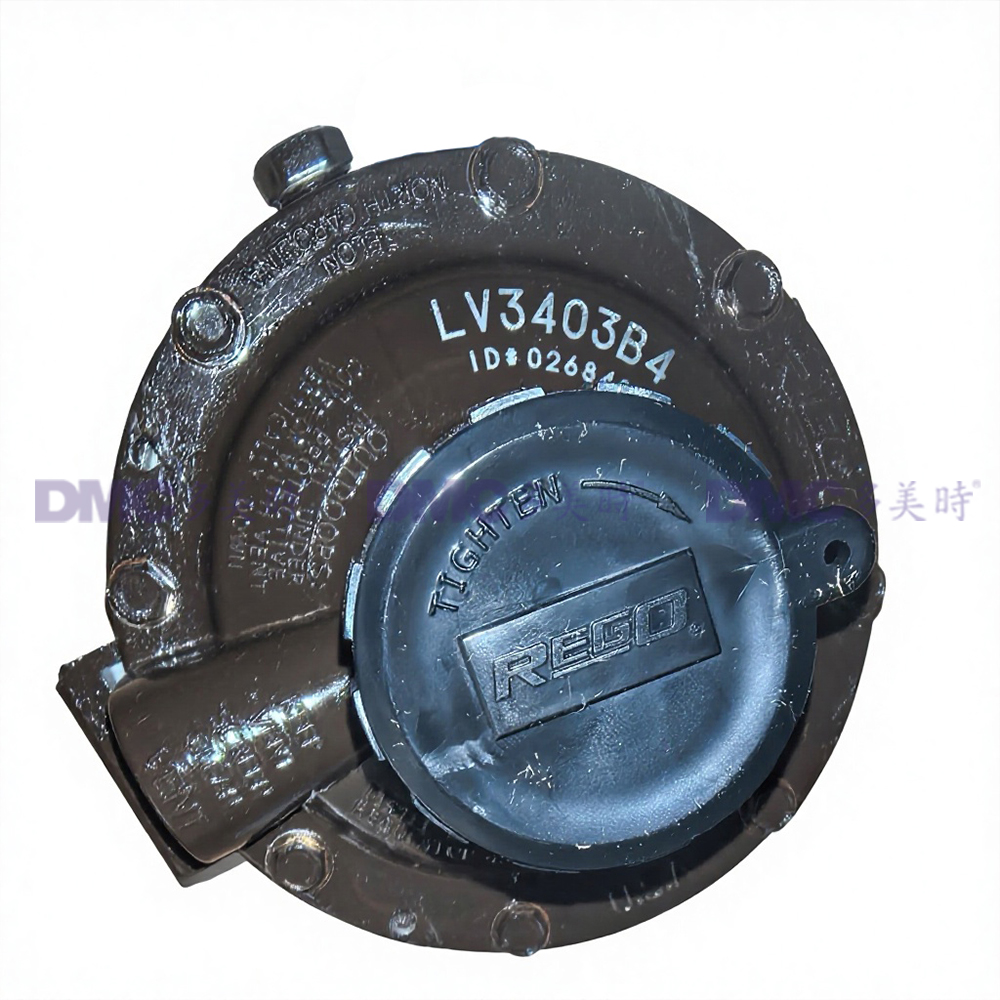
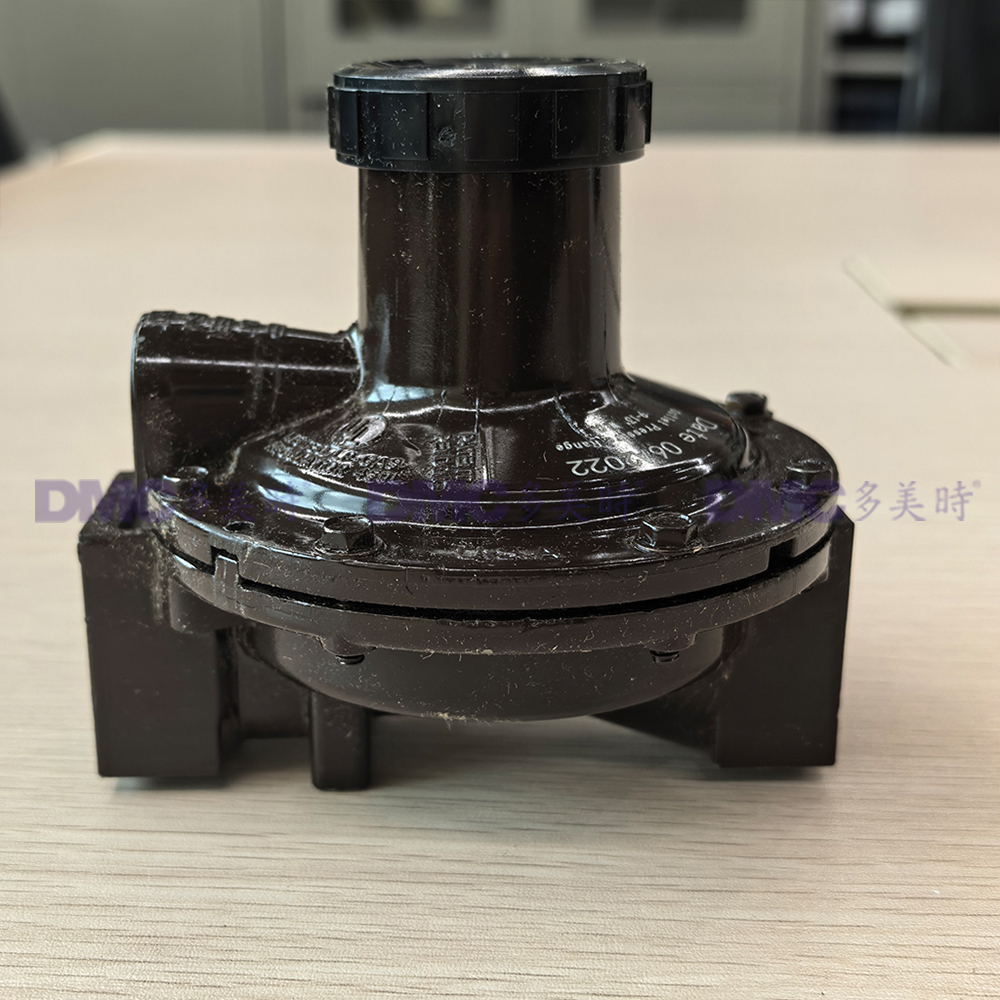
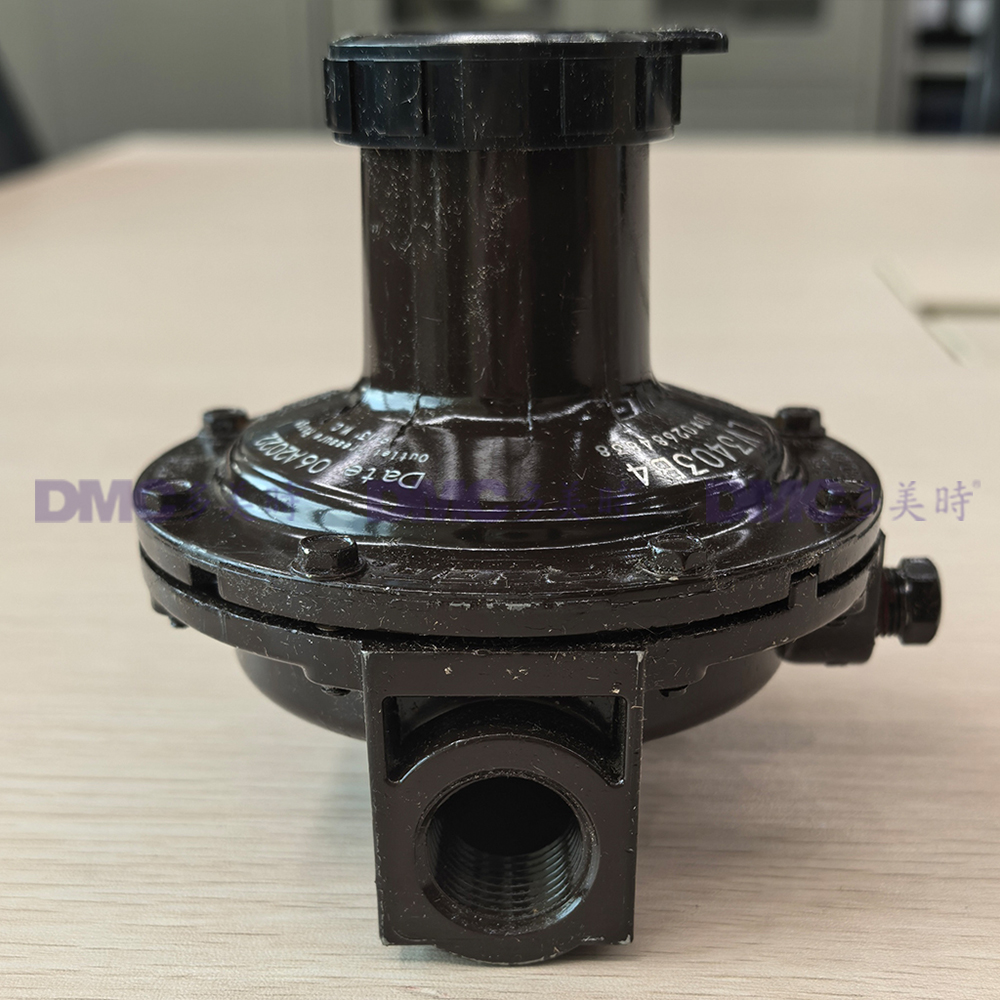
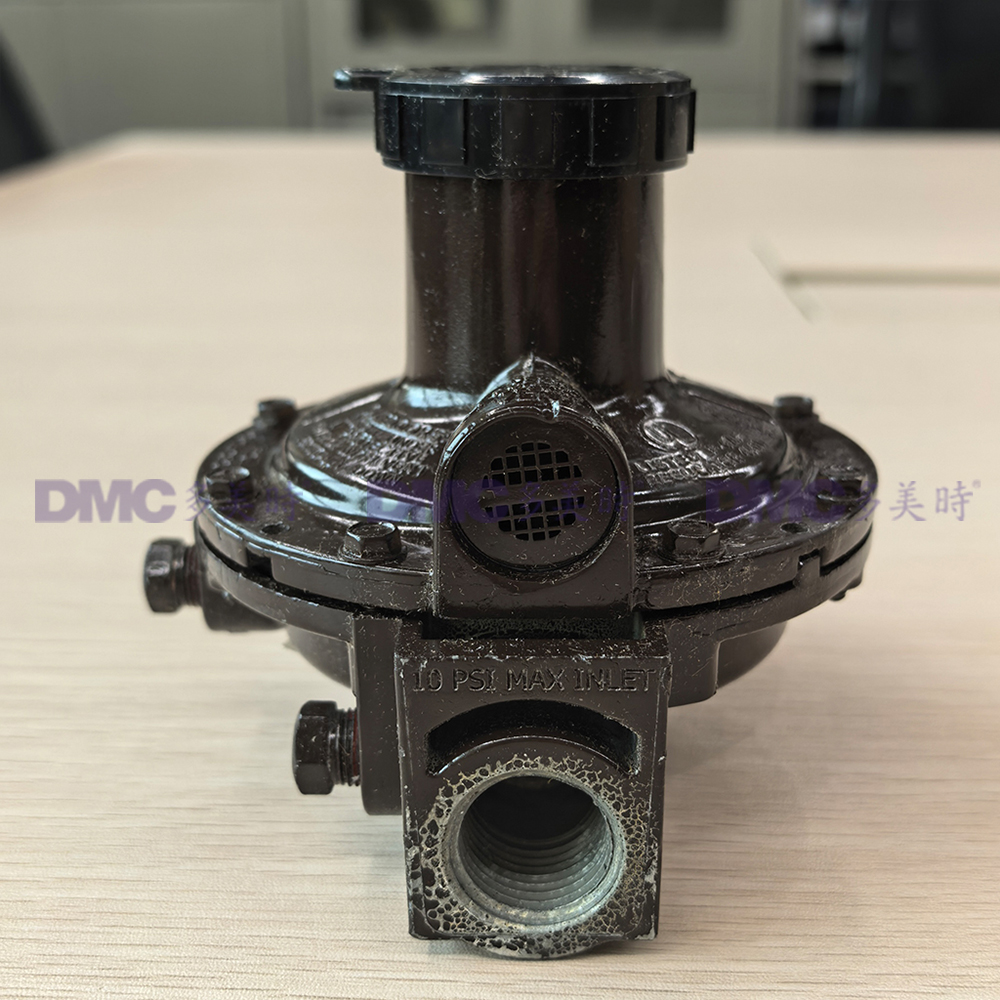
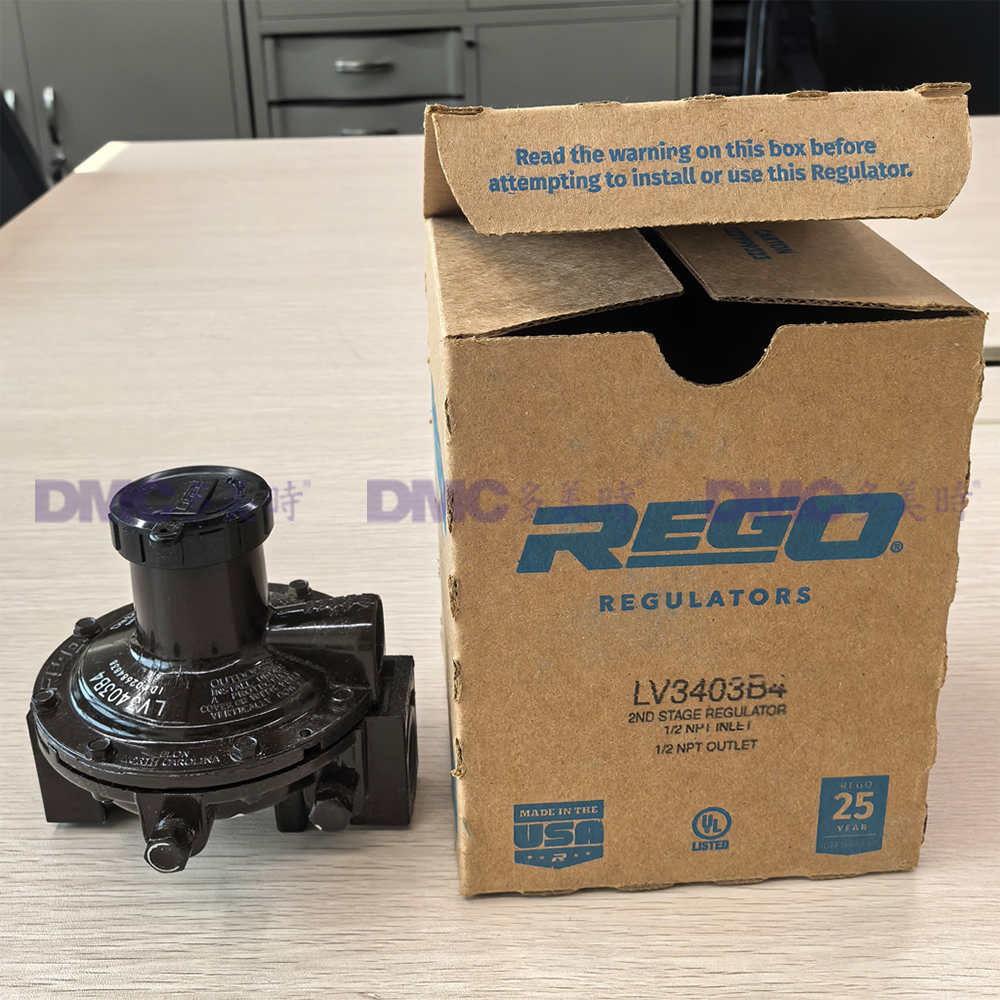
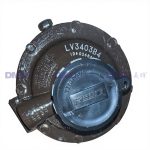
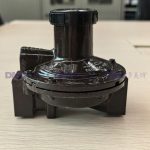
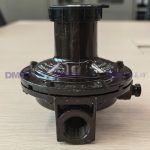
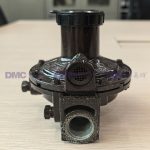
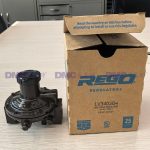

Second Stage LP Gas Regulator: RegO LV3403B4 Compact Regulator (450,000 BTU/hr, 1/2 in. F.NPT)
Brand: REGO
Model: LV3403B4HOT
Connection size: 1/2 “F.NPT x 1/2” F.NPT
Connection method: threaded connection
Valve body material: die cast zinc
Flow rate: 9.49kg/h
Medium: LPG

Description
The RegO LV3403B4 is a compact second stage LP gas regulator that reduces first stage pressure of 5–20 PSIG down to a burner pressure of normally 11 in. w.c. (about 27.4 mbar). It is rated for 450,000 BTU/hr of propane vapor — approximately 9.49 kg/hr — and uses 1/2 in. female NPT inlet and outlet connections. The RegO LV3403B4 is built for smaller residential and light commercial loads: homes, mobile homes, and cottages. It is UL Listed, incorporates an integral relief valve, satisfies the NFPA 58 requirement that downstream pressure not exceed 2 PSIG with the seat disc removed, and is backed by a 10-year warranty with a 25-year recommended service life.
What the LV3403B4 Does in a Two-Stage LP Gas System
In a two-stage propane system, pressure is dropped in two steps rather than one. The first stage regulator takes tank pressure — which can swing from roughly 10 PSIG in cold weather to well over 100 PSIG on a hot day — down to an intermediate pressure of 5–20 PSIG. The second stage regulator then takes that intermediate pressure down to the low, stable pressure the appliance burner actually needs, normally 11 in. w.c. (about 0.4 PSIG).
The LV3403B4 is the second stage in that chain. Its job is to hold delivery pressure steady as flow changes: when a furnace, water heater, or range burner cycles on or off, the regulator has to absorb the flow change without letting manifold pressure drift outside the appliance’s operating band. That stability comes from the regulator’s diaphragm-and-spring assembly, which balances spring force against downstream pressure and modulates the seat disc to match the load.
Because the unit accepts a first stage outlet anywhere from 5 to 20 PSIG, it stays compatible with the standard range of first stage settings and does not require re-piping if the first stage pressure is later adjusted within that window. That flexibility is why the LV3403B4 is commonly specified on single-family, mobile home, and cottage installations where the load profile is modest but the pressure has to be reliable.
Each feature on the LV3403B4 datasheet maps to a real installation or maintenance problem. Reading them as buyer requirements is the fastest way to judge whether the regulator fits your job:
- Large vent, tapped 3/8 in. F.NPT for vent piping. A large vent resists blockage from debris, ice, or insects — the most common cause of regulator failure. Because it is threaded, the vent can be piped away from the regulator when the installation location requires it (for example, near a wall, under a mobile home skirt, or close to a window or air intake), which is often necessary to satisfy clearance rules.
- NFPA 58 fail-safe behavior. With 15 PSIG inlet pressure and the seat disc removed, the regulator is designed to pass no more than 2 PSIG downstream. This is the specific NFPA 58 test condition that keeps an internal regulator failure from over-pressurizing the downstream piping and appliances.
- Integral relief valve. The relief valve is built into the regulator body rather than added externally, which keeps the assembly compact and reduces the number of joints that can leak.
- Bonnet vent profile that minimizes vent freeze-over. A unique bonnet vent profile reduces the chance of the vent icing closed when properly installed — a critical detail in cold-climate LP gas installations.
- Compact design. A smaller body footprint saves space in tight enclosures, cabinets, and mobile home installations.
- Built-in pressure taps. Both the regulator inlet and the downstream side have 1/8 in. F.NPT pressure taps, so you can verify inlet and delivery pressure during commissioning and leak testing without adding test ports. The plugs are removable with a 3/16 in. hex Allen wrench.
- Brown finish. Supplied in a select brown finish for a consistent field appearance.
| Specification | Value |
|---|---|
| Product type | Compact second stage regulator for LP-Gas |
| Part number | LV3403B4 |
| Inlet connection | 1/2 in. F.NPT |
| Outlet connection | 1/2 in. F.NPT |
| Connection type | F.NPT x F.NPT |
| Orifice size | 7/32 in. (5.56 mm) |
| Factory delivery pressure | 11 in. w.c. (27.37 mbar) at 10 PSIG inlet |
| Factory delivery pressure | 11 in. w.c. (27.37 mbar) at 0.69 barg inlet |
| Adjustment range | 9 in. to 13 in. w.c. (22.4 to 32.35 mbar) |
| Vapor capacity (propane) | 450,000 BTU/hr* — approx. 9.49 kg/hr |
| Vent connection | 3/8 in. F.NPT |
| Pressure taps | 1/8 in. F.NPT (inlet and downstream) |
| Bonnet vent position | Inlet 3:00, Outlet 9:00 |
| Body and bonnet material | Zinc |
| Vent tap wrench size | 3/16 in. hex Allen wrench |
| Certification | UL Listed |
Maximum flow is based on 10 PSIG inlet and 9 in. w.c. delivery pressure. Actual capacity falls as delivery pressure rises and as inlet pressure falls — see the performance section below.
How to Choose the Right Second Stage LP Gas Regulator
Use this sequence to confirm the LV3403B4 is the right second stage regulator for a given installation — or to rule it out early.
- Total your connected load in BTU/hr. Add the rated input of every appliance downstream of the regulator. A modest home might be a 100,000 BTU/hr furnace, a 40,000 BTU/hr water heater, and a 65,000 BTU/hr range, totaling about 205,000 BTU/hr. Apply the diversity factor your code or design practice requires, but keep the full connected total as your ceiling.
- Confirm the first stage outlet pressure. The LV3403B4 expects 5–20 PSIG at its inlet. Verify the first stage regulator’s setting and record the lowest value you expect in cold weather.
- Check the connection size and pipe sizing. The LV3403B4 is 1/2 in. F.NPT in and out. Piping upstream and downstream must be sized for the load and run length per NFPA 58; a properly sized regulator on undersized piping will still deliver poor pressure at the appliance.
- Verify the delivery pressure you need. The factory setting is 11 in. w.c. with an adjustment range of 9–13 in. w.c. If the appliance requires something outside that band, the LV3403B4 is the wrong part.
- Compare load against the performance curve at your lowest inlet pressure. Do not use the 15 PSIG curve if your first stage can sag toward 5 PSIG on a cold day.
- Confirm the installation location works for the vent. If the vent has to be piped away, allow for the 3/8 in. F.NPT vent line and its termination location.
If the load exceeds the LV3403B4’s capacity at your working inlet pressure, or if you need larger connections for a long service run, move up to a higher-capacity second stage regulator rather than running this unit at its limit.
Frequently Asked Questions (FAQ)
What is the difference between a first stage and a second stage LP gas regulator?
The first stage regulator reduces tank pressure to an intermediate 5–20 PSIG. The second stage regulator reduces that intermediate pressure to the low delivery pressure the appliance needs — normally 11 in. w.c. for the LV3403B4. The second stage is the regulator that determines the pressure at the burner manifold.
What delivery pressure does the LV3403B4 provide?
It is factory set to deliver 11 in. w.c. (27.37 mbar) at a 10 PSIG inlet, and is adjustable from 9 in. to 13 in. w.c. (22.4 to 32.35 mbar).
How much load can the LV3403B4 handle?
The published vapor capacity is 450,000 BTU/hr of propane, approximately 9.49 kg/hr. That maximum is based on 10 PSIG inlet and 9 in. w.c. delivery pressure, so size your connected load below the published curve at your lowest expected inlet pressure.
What size are the inlet and outlet connections?
Both are 1/2 in. female NPT. The vent is tapped 3/8 in. F.NPT, and both pressure taps are 1/8 in. F.NPT.
Is the LV3403B4 UL Listed and NFPA 58 compliant?
Yes. It carries the UL Listed mark, and it is designed to meet the NFPA 58 condition that downstream pressure not exceed 2 PSIG with the seat disc removed at 15 PSIG inlet.
Does the LV3403B4 include a relief valve?
Yes — the relief valve is integral to the regulator body.
Can the vent be piped away?
Yes. The large vent is tapped 3/8 in. F.NPT specifically so it can be piped away when the installation location requires it, and the bonnet vent profile is shaped to minimize freeze-over when properly installed.
What is the difference between the LV3403B4, LV3403B4V3, LV3403B4V0, and LV3403B4V9?
They share the same connections, orifice size, delivery pressure, adjustment range, and 450,000 BTU/hr capacity. The part number suffix identifies the bonnet vent position, allowing the vent to be oriented to suit the installation.
What warranty and service life does it carry?
A 10-year manufacturer warranty and a 25-year recommended service life.
Additional information
| Brand |
RegO |
|---|